[:vi]
Phẫu thuáºt táºt khúc xạ giúp cho mắt bị mắc táºt khúc xạ có thể nhìn rõ mà không cần đến sá»± há»— trợ cá»§a kÃnh gá»ng và kÃnh áp tròng.
Táºt khúc xạ là gì?
Táºt khúc xạ là do mắt không có kÃch thước và hình dạng đúng, do đó ánh sáng không há»™i tụ đúng trên võng mạc khiến cho ta nhìn thấy váºt đó má» hÆ¡n.
Hiện có 4 táºt khúc xạ vá»›i những đặc Ä‘iểm khác biệt như sau:
- Cáºn thị: ảnh há»™i tụ trước võng mạc
- Viá»…n thị: ảnh há»™i tụ ở phÃa sau võng mạc
- Loạn thị: hình ảnh cá»§a váºt không phải là má»™t Ä‘iểm mà là má»™t Ä‘oạn thẳng có thể ở trước, ở sau hoặc ná»a trước – ná»a sau võng mạc
- Lão thị: má»™t táºt ở mắt do quá trình lão hóa cá»§a cÆ¡ thể, thưá»ng gặp ở ngưá»i trên 40 tuổi.

Ngưá»i mắc táºt cáºn thị cần sá» dụng kÃnh để cải thiện tầm nhìn
Phẫu thuáºt khúc xạ là gì?
Phẫu thuáºt khúc xạ là má»™t phương pháp Ä‘iá»u trị phổ biến cho các vấn đỠvá» thị lá»±c. Những thá»§ thuáºt nà y thưá»ng được sá» dụng để định hình lại giác mạc để có thể táºp trung ánh sáng và o võng mạc tốt hÆ¡n. Mục tiêu cá»§a phẫu thuáºt khúc xạ là giảm phụ thuá»™c và o kÃnh Ä‘eo mắt hoặc kÃnh áp tròng.

Phẫu thuáºt táºt khúc xạ giúp ngưá»i mắc TKX không cần sá» dụng kÃnh mà vẫn nhìn rõ
Cùng vá»›i sá»± tiến bá»™ cá»§a khoa há»c kỹ thuáºt, ngà y cà ng có nhiá»u ngưá»i tìm đến các phương pháp phẫu thuáºt để không phải Ä‘eo kÃnh. Phẫu thuáºt khúc xạ giúp những bệnh nhân mắc táºt khúc xạ, không phù hợp để Ä‘eo kÃnh và từ 18 tuổi trở lên, ngưá»i bệnh có thể cân nhắc phẫu thuáºt để Ä‘iá»u chỉnh thị lá»±c. Hiện có má»™t số phương pháp phẫu thuáºt tạo hình giác mạc phổ biến là Lasik, Femtosecond Lasik, ReLEx smile, Phakic, SMILE pro… vá»›i nhiá»u mức giá khác nhau.
Các Phương Pháp Phẫu Thuáºt Khúc Xạ
Phẫu thuáºt lên cá»§ng mạc
- Ghép củng mạc bằng chất độn.
- Rút ngắn củng mạc.
Phẫu thuáºt can thiệp và o ná»™i nhãn
- Lấy thủy tinh thể.
- Äặt kÃnh ná»™i nhãn trên mắt còn thá»§y tinh thể: Phakic IOLS, ICL.
- KÃnh ná»™i nhãn háºu phòng.
Phẫu thuáºt lên giác mạc
- Phẫu thuáºt rạch gm hình nan hoa.
- Phẫu thuáºt rạch giác mạc Ä‘iá»u trị loạn thị.
- Phẫu thuáºt ghép lá»›p giác mạc (keratomileusis). – Ghép chồng giác mạc (epikeratophakia).
- Ghép độn giác mạc (keratophakia).
- Phẫu thuáºt đặt vòng trong nhu mô giác mạc (intra corneal ring).
- Laser Excimer.
- Femto-Lasik.
Phẫu thuáºt SMILE
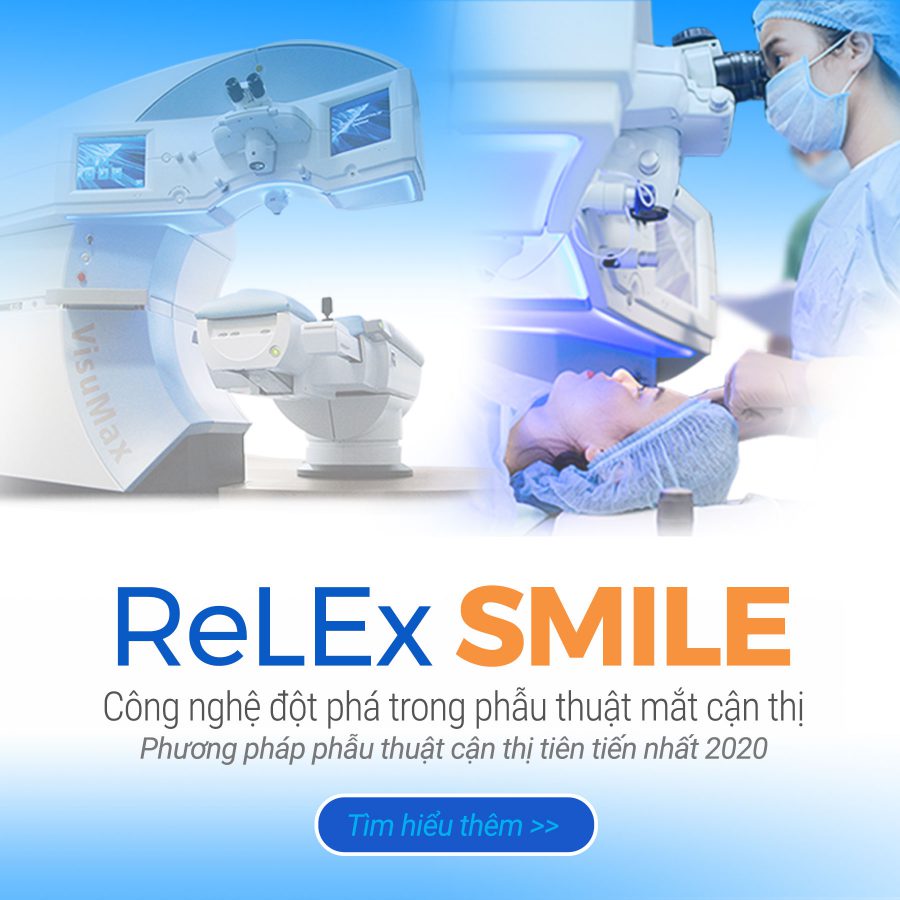
Cùng vá»›i sá»± phát triển cá»§a y há»c và công nghệ, hiện nay má»™t số phương pháp phẫu thuáºt nêu trên đã không còn sá» dụng hoặc nếu sá» dụng thì rất Ãt và chỉ trên những trưá»ng hợp đặc biệt. Trong những năm gần đây phương pháp phẫu thuáºt khúc xạ được sá» dụng phổ biến nhất trên thế giá»›i và ở Việt Nam đó là Lasik, Femto-Lasik, ReLEx SMILE và đặc biệt là SMILE pro DND. Bên cạnh đó, năm 2023 hãng Zeiss giá»›i thiệu phương pháp phẫu thuáºt SMILE Pro vá»›i rất nhiá»u Ä‘iểm vượt trá»™i. Äể biết chi tiết hÆ¡n vá» các phương pháp phẫu thuáºt khúc xạ, xin vui lòng xem thêm ở menu bên trái.
[:en]Most types of vision correction surgery reshape your cornea, the clear front part of your eye. That lets light travel through it and focus properly on the back of your eye, or retina. Other procedures replace your eye’s natural lens. Types of surgery include: 1. LASIK, or laser in-situ keratomileusis. This procedure works for people who are nearsighted, farsighted or have astigmatism. The doctor reshapes the tissue underneath your cornea so it can focus light properly. She also makes a flap in the outer layer of the cornea so she can get to the tissue underneath. The flap is what makes LASIK different from other procedures. The doctor may also use a type computer imaging called wavefront technology to create a detailed image of your cornea that she can use as a guide. 2. Femto-Lasik or Z-Lasik or bladeless Lasik. Lasik stands for ‘laser-assisted in-situ keratomileusis’ – the method involved in this type of procedure. Femto represents the technology, in this case, the most recent type of laser: the Femtosecond. The Femtosecond laser method involves the cutting of a microscopically thin flap on the surface of the cornea, after which the Excimer laser is used to correct any existing refractive errors. With Femto-Lasik, we can easily and successfully treat eye diopter prescriptions between -12 and +6. 3. SmartSurfACE is an innovative eye laser surgery method that works without touching the eye. This procedure combines the benefits of touch-free TransPRK surface treatment with innovative SmartPulse technology. The result is a clear vision, with none of the side effects possible with other methods. In SmartSurfACE there is no contact with the eye. Vision is precisely corrected through the top layer of the cornea – no blade, no flap, no suction of the eye, and no cutting into the cornea. 4. ReLEx® (Refractive LEnticule Extraction) SMILE (SMall Incision Lenticule Extaction) is the very latest laser eye surgery techniques used to treat short-sightedness, with or without astigmatism. This treatment is available in only a few laser eye surgery clinics worldwide. Patients get all the benefits of LASIK – rapid healing and very little discomfort – but now without having a corneal flap. ReLEx® SMILE uses state-of-the-art femtosecond technology to create a high-precision lenticule (thin circular disc of tissue) that is removed through a small incision in an intact cornea. It replaces the roughly 20 mm side cut of LASIK to a small incision of less than 4 mm. 5. Phakic intraocular lens implants are designed for people who are too nearsighted for LASIK and PRK. The doctor makes a small incision at the edge of your cornea and either attaches the implant lens to your iris or inserts it behind your pupil. Unlike RLE, your natural lens stays in place.[:]