Lão thị
    • Tiếng Việt
    • English
  • Hotline:0968.115.588

  • [:vi]

    LÃO THỊ LÀ GÌ?

    Nhiá»u ngưá»i cho rằng Lão thị là Viá»…n thị nhưng không phải vậy. Cần phân biệt hai loại này vì Viá»…n thị là má»™t tật khúc xạ, nó có thể xuất hiện ngay cả ở trẻ em còn lão thị chỉ là má»™t biến đổi sinh lý cá»§a mắt chỉ xuất hiện ở lứa tuổi ngoài 40, do mắt giảm khả năng Ä‘iá»u tiết khi qua tuổi 40.

    Như đã nêu ở trên, thuá»· tinh thể là má»™t thấu kính há»™i tụ đặc biệt vì nó có khả năng thay đổi được độ cong để nhìn rõ má»™t vật ở gần mắt nhá» tính đàn hồi (ngưá»i ta gá»i đây là hiện tượng Ä‘iá»u tiết).
    Nhưng sá»± đàn hồi cá»§a thuá»· tinh thể ngày càng kém Ä‘i cho đến khi ở vào lứa tuổi trên 40, sá»± suy giảm sức Ä‘iá»u tiết cá»§a thuá»· tinh thể gây trở ngại cho việc Ä‘á»c sách và làm công việc gần. Do đó ở lứa tuổi này muốn Ä‘á»c sách ngưá»i ta thưá»ng phải đưa sách ra xa mắt.

    lao-thi4-benh-vien-mat-quoc-te-dnd-128-bui-thi-xuan-hn-0969128128 <-> nguoi-gia-can-thi-3-benh-vien-mat-quoc-te-dnd-128-bui-thi-xuan-hn-0969128128

    Lão thị thưá»ng xuất hiện muá»™n hÆ¡n ở ngưá»i cận thị và sá»›m hÆ¡n ở ngưá»i viá»…n thị Các triệu chứng thưá»ng gặp cá»§a lão thị: Nhìn má» các vật ở gần, Ä‘á»c những chữ nhá» khó khăn, mệt má»i mắt khi Ä‘á»c ở nÆ¡i có ánh sáng yếu hoặc vào lúc cuối ngày, má»i mắt nhức đầu khi làm việc gần kéo dài, phải đưa sách ra xa má»›i Ä‘á»c được. Lão thị được chia thành: – Chính thị lão thị: nhìn gần khó khăn, nhìn xa tốt. – Cận thị lão thị: nhìn gần dá»… dàng, nhìn xa kém. – Viá»…n thị lão thị: nhìn xa vẫn phải Ä‘iá»u tiết, nhìn gần rất khó khăn, mau má»i mắt, chảy nước mắt.

    ÄIỀU TRỊ LÃO THỊ BẰNG KÃNH

    Äể Ä‘iá»u chỉnh lão thị, ngưá»i ta sẽ cho bệnh nhân Ä‘eo kính há»™i tụ để bù đắp cho sá»± Ä‘iá»u tiết mất Ä‘i. Chính vì việc cho Ä‘eo kính há»™i tụ này làm cho nhiá»u ngưá»i lẫn lá»™n giữa lão thị và viá»…n thị vì cả hai Ä‘á»u Ä‘eo kính há»™i tụ. – Chính thị lão thị: Ä‘eo kính nhìn gần. – Cận thị lão thị: Ä‘eo kính nhìn xa. – Viá»…n thị lão thị: phải sá»­ dung 2 kính, má»™t kính nhìn gần + 1 kính nhìn xa.

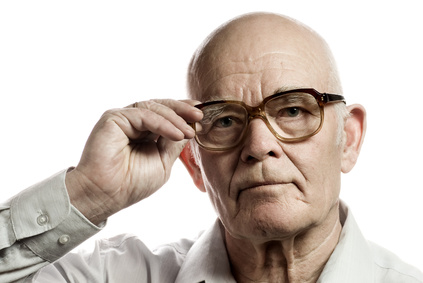
    Elderly man with massive glasses isolated on white background <–> lao-thi1-benh-vien-mat-quoc-te-dnd-128-bui-thi-xuan-hn-0969128128

    ÄIỀU TRỊ LÃO THỊ BẰNG PHẪU THUẬT

    Ngưá»i trên 40 tuổi lão thị có hoặc không có tật khúc xạ (cận-viá»…n- loạn thị) kèm theo thì có thể phẫu thuật laser giúp cho việc không phải Ä‘eo kính khi nhìn xa thì cÅ©ng có thể bỠđược kính khi nhìn gần (Ä‘á»c, viết…). Những thế hệ máy laser má»›i hiện nay (như Nidek Quest và Mel90) sá»­ dụng công nghệ Ä‘o “tiá»n sóng †và các phần má»m tính toán Ä‘iá»u trị lão thị (CRS Master) thì các bệnh nhân lão thị có thêm cÆ¡ há»™i lá»±a chá»n để không lệ thuá»™c vào kính.

    Phương pháp Ä‘iá»u trị lão thị Presbyond kết hợp giữa sá»± chính xác cá»§a phẫu thuật khúc xạ bằng laser trên giác mạc, kèm việc tác động vào thành phần quang sai bậc cao cá»§a mắt, nhằm tăng chiá»u sâu trưá»ng nhìn nét để duy trì chất lượng thị giác ở các khoảng nhìn cho bệnh nhân.

    Presbyond dùng laser excimer tạo ra cầu sai cho mắt, tăng phạm vi tác động nhiá»u hÆ¡n so vá»›i phẫu thuật đơn thị bằng laser thông thưá»ng. Trong phương pháp này, bác sÄ© sẽ chá»§ động tạo mắt chá»§ đạo nhìn rõ vật ở xa và mắt không chá»§ đạo để nhìn rõ vật ở gần.

    Khi kết hợp thị giác hai mắt, ngưá»i bệnh sẽ có má»™t vùng thị giác hòa lẫn, tốt không chỉ cho những hoạt động cần nhìn xa (lái xe, màn hình chiếu phim, há»™i trưá»ng, phòng há»p…), nhìn gần (Ä‘á»c sách, báo, Ä‘iện thoại…) mà cả ở vùng trung gian (màn hình vi tính, bảng Ä‘iá»u khiển xe hÆ¡i…).

    Như vậy, Presbyond tạo nên vùng nhìn linh hoạt, thoải mái vá»›i biên độ trải dài từ khoảng cách xa đến gần, thuận tiện cho má»i hoạt động cá»§a bệnh nhân mà không cần phụ thuá»™c vào cặp kính. Äiá»u đáng nói là thá»i gian để phẫu thuật 2 mắt theo phương pháp này chỉ diá»…n ra trong khoảng 10 phút, hoàn toàn dùng laser. Thị lá»±c cá»§a bệnh nhân cải thiện rất nhanh sau khi phẫu thuật nguoi-gia-4-benh-vien-mat-quoc-te-dnd-128-bui-thi-xuan-hn-0969128128[:en]Presbyopia usually occurs beginning at around age 40, when people experience blurred near vision when reading, sewing or working at the computer.

    Presbyopia Symptoms And Signs
    When people develop presbyopia, they find they need to hold books, magazines, newspapers, menus and other reading materials at arm’s length in order to focus properly. When they perform near work, such as embroidery or handwriting, they may develop headaches, eye strain or feel fatigued.

    What Causes Presbyopia?
    Presbyopia is caused by an age-related process. This differs from astigmatism, nearsightedness and farsightedness, which are related to the shape of the eyeball and are caused by genetic and environmental factors. Presbyopia generally is believed to stem from a gradual thickening and loss of flexibility of the natural lens inside your eye. These age-related changes occur within the proteins in the lens, making the lens harder and less elastic over time. Age-related changes also take place in the muscle fibers surrounding the lens. With less elasticity, the eye has a harder time focusing up close. Other, less popular theories exist as well.

    Presbyopia Treatment: Eyeglasses
    Eyeglasses with bifocal or progressive addition lenses (PALs) are the most common correction for presbyopia. Bifocal means two points of focus: the main part of the spectacle lens contains a prescription for distance vision, while the lower portion of the lens holds the stronger near prescription for close work. Progressive addition lenses are similar to bifocal lenses, but they offer a more gradual visual transition between the two prescriptions, with no visible line between them. Reading glasses are another choice. Unlike bifocals and PALs, which most people wear all day, reading glasses typically are worn just during close work. If you wear contact lenses, your eye doctor can prescribe reading glasses that you wear while your contacts are in. You may purchase readers over-the-counter at a retail store, or you can get higher-quality versions prescribed by your eye doctor.

    Presbyopia Treatment: Contact Lenses
    Presbyopes also can opt for multifocal contact lenses, available in gas permeable or soft lens materials. Another type of contact lens correction for presbyopia is monovision, in which one eye wears a distance prescription, and the other wears a prescription for near vision. The brain learns to favor one eye or the other for different tasks. But while some people are delighted with this solution, others complain of reduced visual acuity and some loss of depth perception with monovision. Because the human lens continues to change as you grow older, your presbyopic prescription will need to be increased over time as well. You can expect your eye care practitioner to prescribe a stronger correction for near work as you need it.

    Presbyopia Treatment: Surgery
    Surgical options to treat presbyopia also are available. One example is Refractec Inc.’s conductive keratoplasty or NearVision CK treatment, which uses radio waves to create more curvature in the cornea for a higher “plus” prescription to improve near vision. The correction is temporary and diminishes over time. The procedure is performed on one eye only for a monovision correction.
    LASIK also can be used to create monovision, in which one eye is corrected for near vision while the other eye is stronger for distance vision. With the recent introduction of presbyopia-correcting intraocular lenses, some people undergoing cataract surgery may be able to achieve clear vision at all distances. Also, an elective procedure known as refractive lens exchange may enable you to replace your eye’s clear but inflexible natural lens with an artificial presbyopia-correcting lens for multifocal vision. This is essentially cataract surgery, but it’s performed on people who don’t have cataracts for the purpose of providing all-distance vision.[:]

    Äá»™i ngÅ© Bác sỹ

    Trang thiết bị

    Các thông tin trên website Matquocte.vn chỉ dành cho mục đích tham khảo, tra cứu, khuyến nghị Quý khách hàng không tá»± ý áp dụng. DND không chịu trách nhiệm vá» những trưá»ng hợp tá»± ý áp dụng mà không có chỉ định cá»§a bác sÄ©.

    Chính sách quản lý bảo vệ, khai thác & đảm bảo an toàn thông tin khách hàng sử dụng website.

    Copyright 2023 International Eye Hospital | All right reserved. Address: 128 Bùi Thị Xuân Str, Hà Nội.

    show hide
    go top