[:vi]
Laser CO2 là gì?
Năm 1964, Patel phát minh ra laser CO2 tại phòng thà nghiệm công ty Ä‘iện thoại Bell. Ba năm sau, Poanyi và cá»™ng sá»± đã ứng dụng công nghệ nà y và o Ä‘iá»u trị ngoại khoa. Nguyên lý hoạt động cá»§a Laser CO2 là dùng hiệu ứng nhiệt để quang đông hoặc bốc bay tổ chức.
Chùm tia Laser CO2 có bước sóng 10600 nm, hấp thu chủ yếu bởi nước. Khi chiếu chum tia Laser CO2 và o tổ chức, 98% năng lượng của chum tia được nước hấp thụ và chuyển thà nh nhiệt, lượng nhiệt nà y sẽ là m cho nhiệt độ của tổ chức tăng lên và khi nhiệt độ của tổ chức tăng lên từ 60 – 100 độ C thì các protein bị đông vón, khi nhiệt độ lớn hơn 100 độ C thì sự bốc bay của tổ chức xảy ra và khi nhiệt độ từ 300 – 600 độ C thì tổ chức bị than hóa.
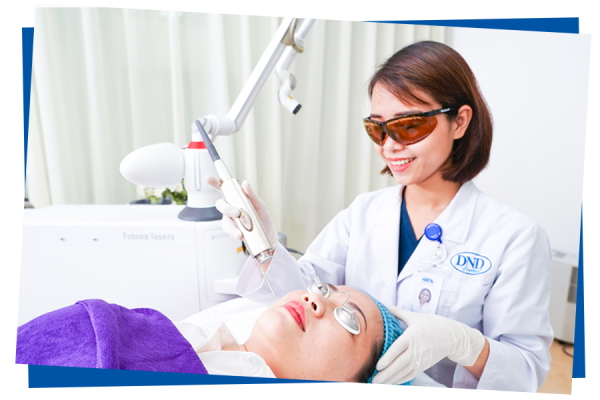
Äể hạn chế tác dụng phụ cá»§a nhiệt, ngưá»i ta đã sản xuất loại Laser CO2 xung và siêu xung. Loại nà y có năng lượng cao gấp hÆ¡n 10 lần so vá»›i chum tia laser lien tục và có thá»i gian phát tia ngắn hÆ¡n từ 10 đến 100 lần. Do đó, vá»›i laser CO2 dạng xung và siêu xung có tác dụng bốc bay tổ chức tối Ä‘a nhưng lại giảm tối thiểu tổn thương do nhiệt đối vá»›i tổ chức.
Ở Việt Nam, laser CO2 được ứng dụng đầu tiên tại bệnh viện 108. Ngà y nay các kỹ thuáºt sá» dụng laser CO2 có nhiá»u tiến bá»™ nhằm giảm thiếu tổn thương mô. Trong nhãn khoa Laser CO2 má»›i đưa và o sá» dụng từ những năm 2012 trong lÄ©nh vá»±c tạo hình thẩm mỹ vùng mắt.
Các chỉ định của laser CO2 bao gồm
Các khối u là nh tÃnh cá»§a da
- Dà y sừng da mỡ: thưá»ng gặp ở lứa tuổi > 50 do da bị lão hóa. Táºp trung nhiá»u ở vùng mặt, thương tổn thưá»ng nông ở thượng bì. Sau Ä‘iá»u trị thưá»ng không để lại sẹo và đạt được tÃnh thẩm mỹ cao.
- U nhú ( u má»m treo): nhú mà u hồng, có cuống táºp chung chá»§ yếu vùng nếp gấp. Äiá»u trị dá»… dà ng, để lại dát mất sắc tố.
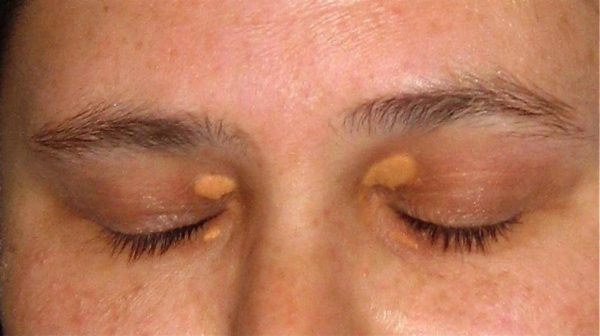
- U và ng: u mà u và ng do tăng mỡ máu. U có thể nằm ở vùng mi trên và mi dưới. Äiá»u trị dá»… dà ng nhưng thưá»ng để lại sẹo do u nằm sâu xuống lá»›p trung bì.
- Nốt ruồi, u hắc tố là nh tÃnh: chỉ định laser khi tổn thương nhá» hÆ¡n 3 mm, nằm ở thượng bì. Äối vá»›i trưá»ng hợp lá»›n hÆ¡n 5 mm phải chỉ định phẫu thuáºt.

Xóa nếp nhăn: áp dụng bằng laser siêu xung.
- Laser CO2 hoặc Fractional CO2 có tác dụng xóa nếp nhăn trẻ hóa vùng mắt và mặt. Cần lưu ý tăng sắc tố sau Ä‘iá»u trị.
Chăm sóc sau Ä‘iá»u trị
Chăm sóc sau Ä‘iá»u trị như má»™t vết thương ngoại khoa, thá»i gian háºu phẫu 5 – 7 ngà y.
- Giữ vết đốt khô, sạch
- Nếu vết đốt tiết dịch: rá»a bằng Dd Nacl 0,9%, Dd Betadin…
- Dùng kháng sinh tại chỗ, toà n thân
- Chống phù ná»
- Giảm đau
- Kem chống nắng, chống sẹo sau khi tổn thương bong vẩy

[:en]
What is a CO2 laser?
In 1964, Patel invented the CO2 laser at the Bell telephone company laboratory. Three years later, Poanyi and colleagues applied this technology to surgical treatment. The principle of operation of the CO2 laser is to use the thermal effect to photocoagulate or evaporate the organization.
The CO2 laser beam has a wavelength of 10600 nm, absorbed mainly by water. When the CO2 laser beam is shined on the organization, 98% of the energy of the beam is absorbed by the water and converted into heat, this heat will cause the temperature of the organization to increase and when the temperature of the organization is increased from 60 – 100 degrees Celsius, the proteins are coagulated, when the temperature is greater than 100 degrees Celsius, the evaporation of the organization occurs and when the temperature is from 300 to 600 degrees Celsius, the organization is charred.

To limit the side effects of heat, pulsed and super pulsed CO2 lasers have been produced. This type is 10 times more energetic than a continuous laser beam and has a shorter beam time of 10 to 100 times. Therefore, with pulsed and super-pulsed CO2 lasers, there is a maximum effect of evaporating the organization but minimizing thermal damage to the organization.
In Vietnam, CO2 laser was first applied at 108 hospital. Nowadays, techniques using CO2 laser have made many advances in order to minimize tissue damage. In ophthalmology, CO2 lasers have been used since 2012 in the field of cosmetic eye contouring.
Indications for CO2 lasers include
benign tumors of the skin
- Skin keratosis pilaris: common in age > 50 due to aging skin. Concentrated on the face, lesions are often superficial in the epidermis. After treatment, there are usually no scars and high aesthetics.
- Papilloma (suspended floppy): pink papillae, with stalks concentrated mainly in the fold area. Treatment is easy, leaving a depigmented macule.
- Yellow tumor: yellow tumor due to hyperlipidemia. The tumor can be located on the upper and lower eyelids. Treatment is easy but often leaves scars because the tumor is deep into the dermis.
- Mole, benign melanoma: laser is indicated when the lesion is less than 3 mm, located in the epidermis. For cases larger than 5 mm, surgery must be indicated.

Wrinkle removal: applied by super pulsed laser.
- Laser CO2 or Fractional CO2 has the effect of removing wrinkles and rejuvenating the eye and face area. Attention should be paid to hyperpigmentation after treatment.
Post-treatment care
Care after treatment like a surgical wound, 5-7 days after surgery.
- Keep the sting clean and dry
- If the sting is exuding fluid: wash with Dd Nacl 0.9%, Dd Betadin…
- Use topical and systemic antibiotics
- Anti-edema
- Pain relief
- Sunscreen, anti-scarring after scabbing lesions
[:]